
Alfama
Lisbon's Most Beloved Neighborhood
Alfama
One of the things we love most about Lisbon is its authenticity and lack of pretension, and Alfama is the ultimate expression of that idea.
 Alfama ©Jose Ignacio Soto – stock.adobe.com
Its unpretentious character makes Alfama a truly authentic place, full of hidden corners and winding alleys where it's worth getting lost to enjoy its viewpoints and tiled facades.
Alfama is one of the neighborhoods in Lisbon most traditional neighborhoods, yet also one of the most transformed by the rise of tourism.
If you're looking for a place to stay during your visit, this charming neighborhood is a great option to base yourself.
A few years ago it felt more local and humble; today the local accommodation market has renovated many houses that had fallen into disrepair, and long-time residents now share the streets with visitors who come for just a few nights, eager to experience the sunrise over its narrow alleys lined with laundry hanging in the sun.
It is one of the must-see neighborhoods that you have to visit in Lisbon.
Unlike other traditional neighborhoods such as Bairro Alto, which tends to have more of a nightlife scene, Alfama's vibe is quieter and its crowd a bit older, for lack of a better term.

Its name comes from the Arabic al-hammã, meaning "fountain." Beneath its streets ran natural springs that fed the fountains spread throughout the neighborhood, where residents would gather to fetch water. These fountains are known locally as chafarizes and can still be found in the neighborhood today.

It is one of the neighborhoods that best survived the devastating earthquake of 1755. Throughout its history, Jews, Christians, and Muslims have all called it home.
It remains an area of Lisbon rich in culture and tradition — walking through it feels like being in a village within the city.
Eat at its restaurants, visit the local shops, and get ready to take the most beautiful photos of your trip.
You can generally find accommodation in Alfama, despite being such a popular neighborhood. There are few hotels but quite a few rental apartments.

Alfama: the Fado Neighborhood
Alfama is known as the birthplace of the traditional Portuguese music known as fado — a popular genre of melancholic melodies with lyrics about the sea, love, and the everyday lives of working people.
The music in Alfama is an inseparable part of the place. It's common to walk its streets and hear fado drifting from windows, the sound mingling with the smell of charcoal-grilled sardines from its restaurants.
There are legendary spots in the neighborhood such as Parreirinha de Alfama, which are without a doubt some of the best venues to hear fado in Lisbon.
A great way to experience Alfama and fado in all its glory is by visiting during the Festas dos Santos Populares (specifically "Santo António" on June 13th). If you don't have that opportunity, a great idea is to head to one of its tascas to listen to fado — or better yet, if you have the chance, attend a dinner with a live fado show.
Definitely a place with a charm very different from that of other European cities and neighborhoods.
How to get to the Alfama neighborhood
You can walk from the Baixa, take the metro (blue line) to the Santa Apolonia station and then make your way up to Alfama, or you can take the Tram 28 from Baixa.
What to see in Alfama
Places to add to your Lisbon travel itinerary
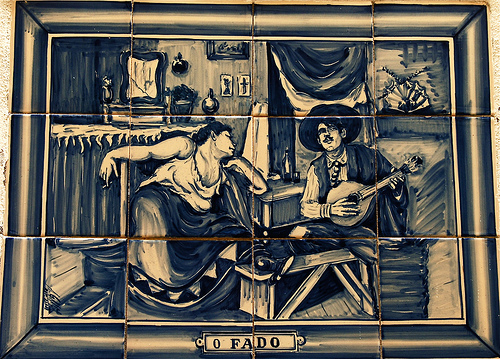
Fado Museum
Permanent exhibition of fado-related works, including musical instruments, sheet music, and costumes belonging to fadista Amália Rodrigues.
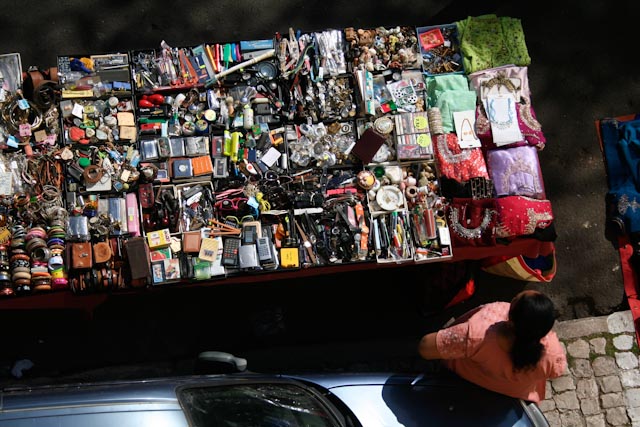
Feira da Ladra
Lisbon's most popular second-hand market.

Viewpoints
Alfama is home to some of the most beautiful viewpoints in Lisbon: Miradouro das Portas do Sol and Miradouro de Santa Luzia.

National Pantheon
The final resting place of distinguished Portuguese figures. You can access the terrace at the top.


São Jorge Castle
Walking through Alfama, you can make your way up to Lisbon's castle, the São Jorge Castle.

Sé Cathedral
Between Alfama and the Baixa Lisbon neighborhood stands the cathedral — one of the most iconic sights in Lisbon.


Free Tour of Alfama
Explore Lisbon's most traditional neighborhood on this Spanish-language free tour of Alfama. Discover the fascinating history and most authentic spots of the neighborhood where fado was born in Lisbon.
